
Merhaba,
Doç. Dr. Ali Zırh’a hemen ulaşmak için buraya tıklayın.


A New Era in Parkinson’s Treatment: Deep Brain Stimulation That Can Read Brain Signals and Talk to the Brain
Technology in Parkinson’s treatment is advancing rapidly. Recent developments in Deep Brain Stimulation, in particular, represent an important step toward making treatment more precise and personalized.
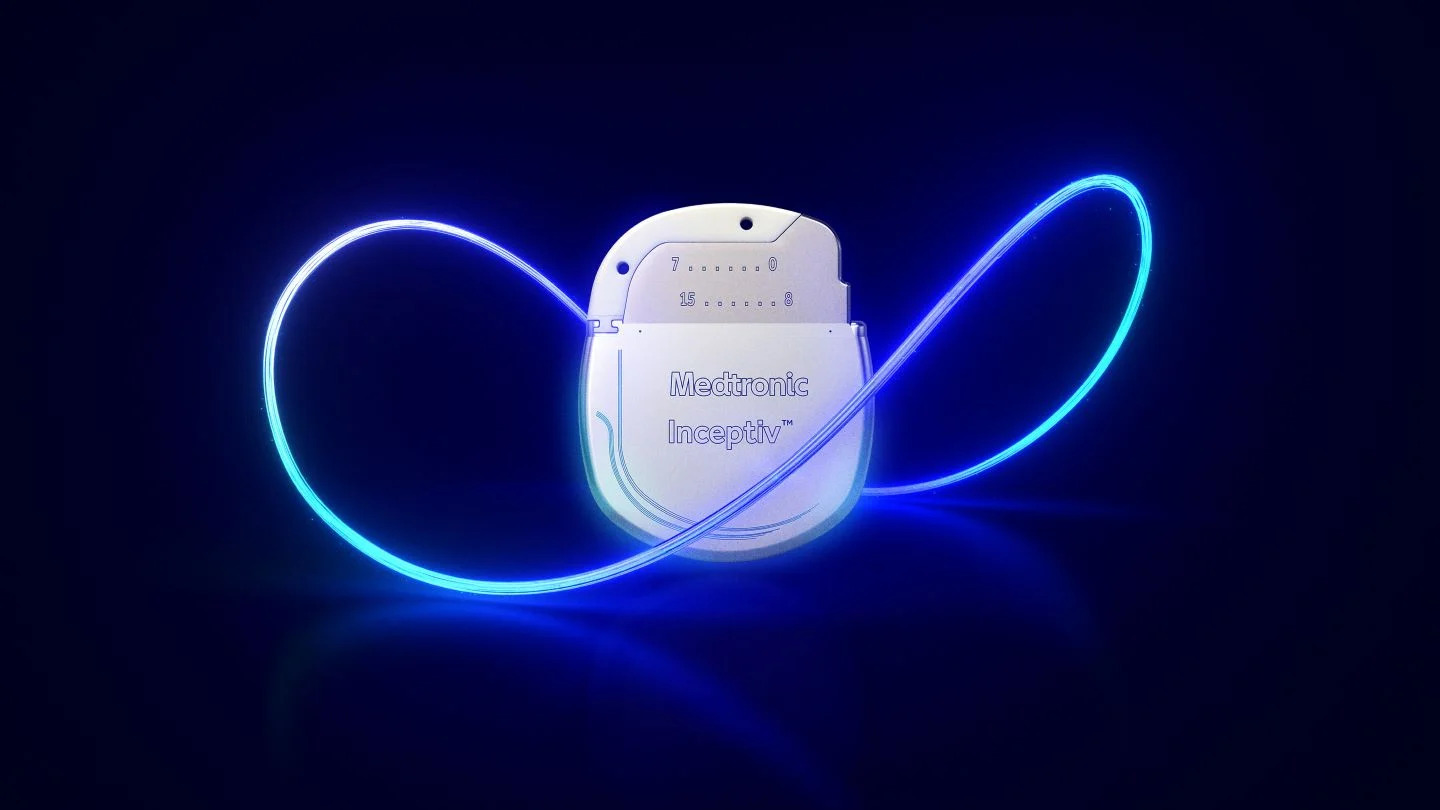
One notable innovation in this field is sensing-capable systems such as the Percept™️ Systems developed by Medtronic, which can measure brain activity.
�� Neurostimulators Are No Longer Just for Stimulation — They Also “Understand”
Deep Brain Stimulators are devices that can deliver electrical current to any point within the human brain, thereby enabling stimulation or suppression of the electrical activity of cells in the region receiving the current. In next-generation systems, an additional feature comes into play: the ability to record brain signals. For example, the BrainSense™️ technology included in these systems can provide physicians with important data by measuring the brain’s responses during treatment.
What does this mean?
- Treatment can now rely not only on observation but also on measurable data.
- The programming process becomes more precise and personalized.
- The relationship between symptoms and brain activity can be understood more clearly.
In short, deep brain stimulation is evolving from a “one-way intervention” into an intelligent system that can receive feedback.
System That Can Communicate with the Brain: Closed Loop and Adaptive Stimulation:
In Parkinson’s disease, the brain cells responsible for the disease do not always show abnormal discharges. Sometimes they behave like completely normal cells instead of like diseased ones. For this reason, during treatment of Parkinson’s with Deep Brain Stimulation,it is thought that stimulating those cells only when they behave like diseased cells—rather than continuously delivering electrical current to the brain—could be more effective. The system that continuously listens to brain signals and stimulates when necessary is called a “closed loop” (a closed-circuit system that complements listening and stimulation), and because it listens to the brain using the BrainSense technique, uses the information gathered, and adapts stimulation accordingly, it is referred to as “Adaptive Stimulation” technology. For this new system, which can stimulate the brain only when needed, to operate actively and effectively, the BrainSense technology must continuously record and the collected data must be constantly transferred to and stored in the cloud.
When will these systems be used in Turkey?
The BrainSense technology allows monitoring of regional electrical field activity in the brain (Local Field Potentials) and can indicate which electrode contacts on the implanted brain stimulator might be most beneficial to stimulate. This feature can be used wherever these stimulators are implanted, including our country. However, the “Closed Loop” and “Adaptive Stimulation” technologies — which would allow the implanted device to communicate with the brain and listen to the brain’s electrical activity and stimulate based on that activity — require transferring the collected data to the cloud. Because the necessary legal regulations and permissions for this are not yet in place, these technologies have not yet entered clinical practice in our country and cannot be used. Although these technologies have begun to be used in some countries worldwide, their clinical use in Turkey is being planned in accordance with legal regulations. According to the current estimate, after the required processes are completed, they are expected to be legally available by July–August 2026.
System Options: Rechargeable and Non-Rechargeable Alternatives
These next-generation systems offer different options depending on the patient’s lifestyle: - Percept™️ PC (Non-Rechargeable): Does not require daily charging. However, the neurostimulator will need to be replaced after a certain period.
- Percept™️ RC (Rechargeable): Requires regular charging but offers the advantage of longer usable life. Because BrainSense and Adaptive Stimulation features significantly consume neurostimulator, non-rechargeable neurostimulators should be avoided for patients who will actively use these features, as their neurostimulator life will be depleted quickly. Which system is preferred is determined based on the patient’s age, lifestyle habits, expectations, and how long the BrainSense and Adaptive Stimulation technologies will be kept active.
MR Compatibility: Safe Imaging Capability
Another important feature of these systems is MR compatibility (MR Conditional).
Under certain conditions:
•Patients can undergo MR imaging
•In some cases, MR scans may be possible without turning off the therapy system (therapy ON) This provides a significant convenience during long-term follow-up and diagnostic processes.
Why It Matters
One of the biggest goals in Parkinson’s treatment is to apply the right setting, to the right patient, at the right time. Neurostimulators with sensing capabilities and the Adaptive Stimulation method offer an important step toward that goal. Because it is now possible not only to listen to the patient but also to listen to the brain itself.
Conclusion
Like any new technology, these systems may not be necessary for every patient. However, when used in the appropriate patient group, they have the potential to make the treatment process more predictable, more precise, and more effective. The future of Parkinson’s treatment is being shaped not just by more powerful devices, but by systems that understand better.